Almost always, the easy route is not the correct one.
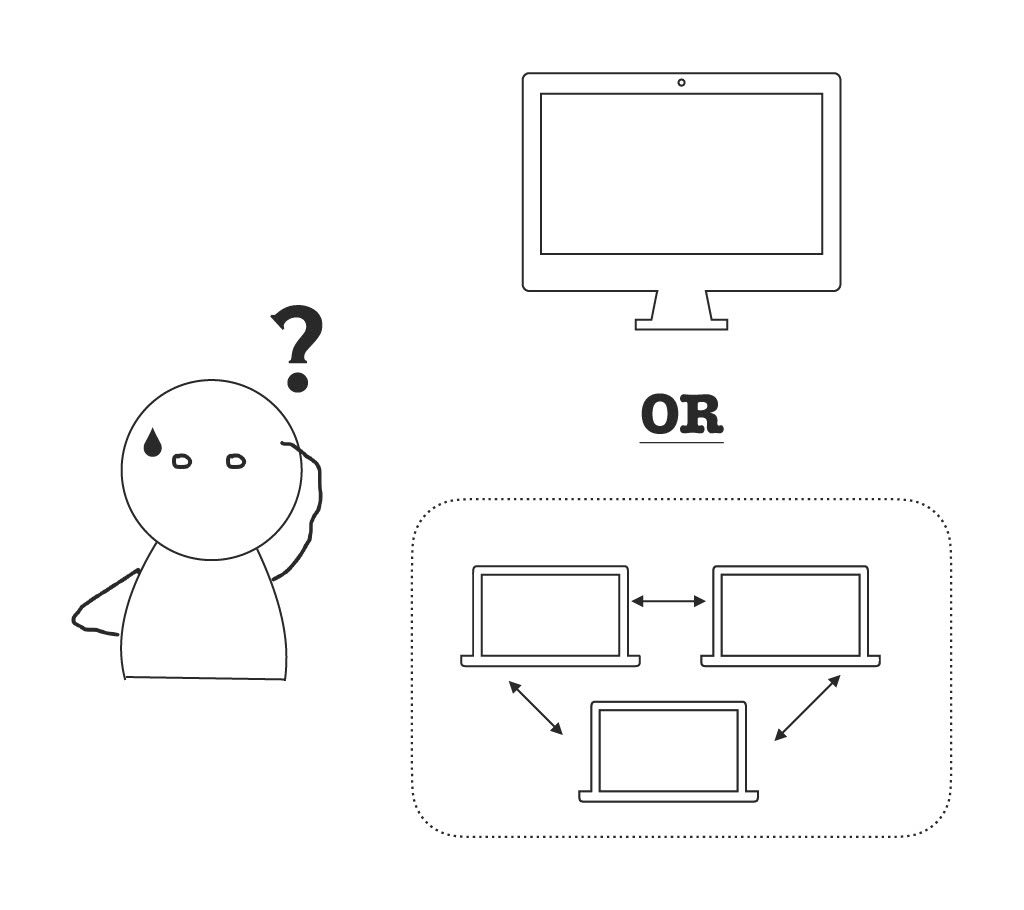
For many years, the standard method for creating software applications has been using a monolithic architecture — a single, independent unit with tightly integrated UI, data read/writes, and business logic. While this works for smaller projects and allows you to kick things off quickly, it presents a number of difficulties as applications grow.
Scalability Problems
The limited scalability of monolithic design is one of its main drawbacks. When applications expand, the only real option is vertical scaling — adding more resources to a single machine — which drives up infrastructure costs. Microservices architecture makes horizontal scaling straightforward and allows each service to scale independently and efficiently.
Increased Complexity
As a monolithic application grows, its codebase becomes more intricate and harder to manage. It takes longer to navigate, longer to add new features, and the risk of introducing defects or breaking existing functionality increases with every change.
Inflexible Tech Stack
Monolithic architecture often locks developers into a specific technology stack. Adopting new technologies may require rewriting the entire application. Microservices allow different components to use different stacks, making it far easier to adopt new technologies incrementally.
Slow Deployment Process
Since the entire application is bundled together, even small changes require a complete redeployment. This leads to increased downtime and reduced productivity in large-scale systems. Microservices allow individual components to be updated and deployed independently.
Difficulty Adopting Agile Practices
Continuous integration and continuous deployment are challenging to implement within a monolithic architecture. The complexity of the codebase, slow deployment process, and inflexible technology stack all contribute to this difficulty.
The Human Cost
The biggest cost that most people do not consider is the human one. When an organization has been maintaining a monolithic service for a long period of time, there eventually arises a unique sort of engineer called an SME (subject matter expert). The SMEs in software engineering become a bottleneck in the development lifecycle — no progress is made if they are not present.
Monolithic architecture has substantial drawbacks in terms of scalability, complexity, technology stack flexibility, deployment speed, and agile adoption. Understanding these limits helps developers choose the architecture that best satisfies their unique demands and requirements.
Later.